

%201.svg)


Climate change is one of the largest threats facing the world today. The extra energy the Earth is absorbing, or its net energy gain, has effectively doubled in the last 15 years. This acceleration increases the risk of hitting climate tipping points where environmental damage becomes irreversible. In response to this growing risk, countries around the world recognized the need for organized, immediate climate action. This proactivity led to the creation of the Paris agreement, an international commitment to limit global warming to well below 2 degrees Celsius. Australia is among the 195 countries that have signed the Paris Agreement as of 2025.
The Paris Agreement requires participating countries to submit increasingly ambitious emission-reduction goals every five years. Australia participates in this process through the reporting of its Nationally Determined Contributions (NDCs), which outline national climate targets and strategies. In September of 2025, Australia submitted its updated NDC, pledging to reduce emissions to 62-70% below 2005 levels by 2035. Separately, Australia has also committed to reaching net-zero emissions by 2050. "Net-zero" refers to the balancing of emissions generated by human activity, which accounts for more than 90% of the global carbon output, with an equivalent amount removed and/or offset.
Australia has several existing strengths that make this NDC realistic. Australia has long-standing climate policies and systems in place that provide a stable foundation for transition. The country also has abundant natural resources like solar, wind, and minerals critical to clean energy. In addition, Australia has made significant technological advancements, developing the tools and innovations needed to support large-scale transitions to cleaner energy. While Australia is not yet equipped to abandon traditional energy sources entirely, together, these strengths indicate it is well-positioned to make steady, meaningful progress. While achieving the 2035 and 2050 targets will be a gradual process that requires long-term effort and significant investment, Australia has both the potential and the broader context necessary to reach them.
To best understand where efforts must be concentrated, we must examine the sectors responsible for the majority of Australia’s emissions. Electricity generation is by far the largest contributor, accounting for 33.6% of emissions. Stationary energy contributes an additional 20.4%, while transport accounts for a further 17.6%. Together, these three sectors generate more than 70% of Australia’s total emissions. This means that achieving net-zero will require large, targeted interventions across these major sectors, rather than small adjustments.
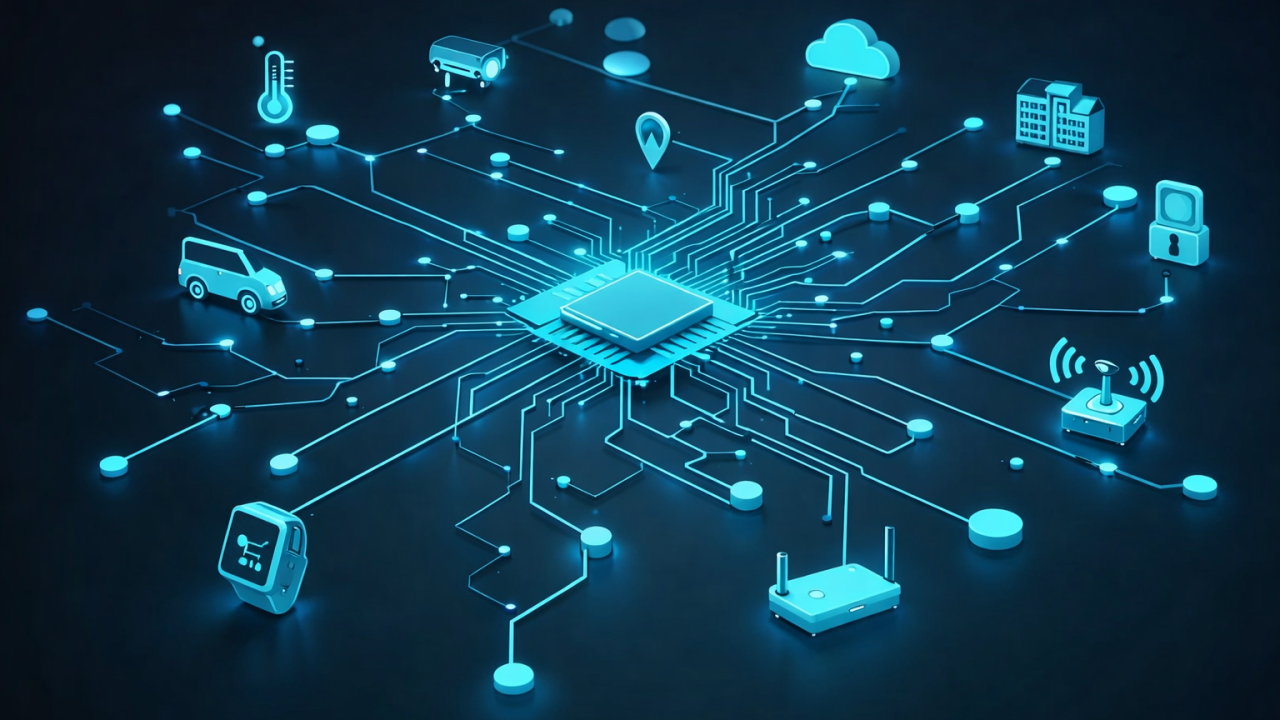
One of the major technological advancements that can support these changes is IoT. IoT links the physical environment with the digital one to create a more connected, interactive, and efficient system. Research consistently shows a positive relationship between IoT adoption and environmental performance. IoT allows for more efficient operations through predictive maintenance and real-time monitoring, improves resource management by optimizing energy use, and strengthens supply chains through increased visibility. Importantly, IoT deployment has been associated with reductions in carbon emissions.
IoT’s impact becomes especially clear when applied to Australia’s highest-emitting sectors. In regard to electricity generation, IoT can stabilize the grids needed to support large amounts of renewable energy by using real-time monitoring and demand-response systems. Evidence from smart heat-pump control trials conducted in Adelaide shows that IoT-controlled systems can shift energy use to different time schedules, absorb excess renewable power, and significantly reduce strain on the grid. This is important in the Australian context, where energy generation is distributed across millions of data points, particularly from rooftop solar, which can create periods of instability and place large amounts of stress on the grid. The study in Adelaide did not directly reduce emissions or electricity consumption but rather strengthened grid stability and demonstrated how IoT could contribute to a more robust and dependable system. This matters because renewable power can only expand if the grid itself is stable enough to manage energy fluctuations. A more stable grid reduces reliance on fossil fuel backup systems and creates the conditions necessary for large-scale renewable integration. Therefore, IoT supports emissions reductions in regard to electricity generation.
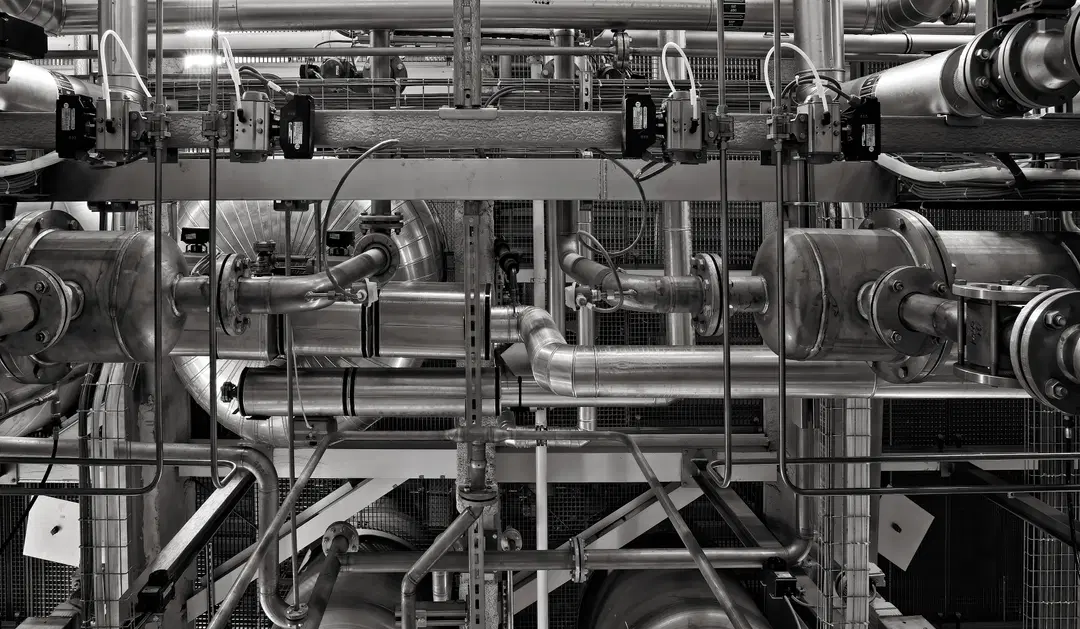
In the stationary energy sector, IoT can improve operational efficiency by detecting energy waste early, optimizing resource use with real-time data, and extending machinery life through predictive maintenance. This sector relies heavily on equipment that runs continuously, meaning even small inefficiencies can result in substantial energy loss. IoT allows systems to instantly identify when machinery is operating suboptimally and either adjust performance or repair the issue early, preventing periods where equipment draws excessive power, reducing unnecessary energy consumption. This shift reduces the total amount of energy needed to maintain the same level of output, therefore lowering emissions. Additionally, IoT can support downstream resource recovery by tracking materials and waste streams. This provides another opportunity for businesses in the stationary energy sector to maximize usable-resource recovery and reduce the emissions associated with producing and transporting new materials. The stationary energy sector can use IoT systems to improve the efficiency of its machinery, reduce resource waste, and therefore reduce overall emissions.
In the transport sector, IoT enhances efficiency through optimized routing and fleet monitoring. A major component of IoT is location tracking, which provides detailed visibility of vehicle movement and travel patterns. Research on smart-city applications shows that IoT can reduce carbon emissions by optimizing transportation networks. By using real-time data to identify more efficient routes and reduce time spent on the road, IoT can help minimize the amount of fuel used. This monitoring directly reduces transport-related emissions by lowering overall fuel consumption, while also supporting the development of more methodical and responsive transport systems.
Beyond sector-specific impacts, IoT plays a crucial role when it comes to the built environment. Improving energy efficiency in buildings across households, businesses, and communities can substantially reduce overall energy consumption and costs. IoT enables real-time control of heating, cooling, lighting, and ventilation systems, ensuring they operate only when needed. Building-management research consistently shows that this kind of real-time monitoring drives major energy savings without compromising comfort. Over time, these reductions in energy use lower demand on the grid and support sustained emissions reduction. Strengthening the built environment through IoT therefore becomes an essential pathway for national progress toward the 2035 and 2050 targets.
On the other hand, it is important to recognize some of IoT’s limitations. The timeline of IoT’s environmental impact is quite important. Research shows that in the short term, or the first couple years, the effect on emissions is negligible due to the upfront emissions involved in building and installing IoT infrastructure. However, in the medium and long term, emission reductions become significant as the benefits eventually outweigh the initial costs. Furthermore, IoT is highly variable. Existing evidence shows that while well-designed IoT systems have been proven to decrease carbon emissions, underdeveloped IoT can lead to very low levels of change and sometimes even an increase in emissions. This is because IoT technologies require energy to operate and to track, store, and process large amounts of data. If these systems are inefficient, the emissions produced by running them can undermine their intended environmental benefits.
Therefore, Australia must take several steps when implementing IoT systems. First, patience and sustained effort are crucial; while results will not appear immediately, significant, long-term benefits emerge over time. Next, Australia must rely on well-developed technology and expert implementation to ensure IoT systems genuinely reduce emissions rather than adding to them. IoT can be used to further support this process by monitoring waste processing and tracking emissions. This could improve the pollution control of IoT systems themselves and ensure that they remain as low-emission as possible. If these steps are followed, IoT-powered innovations can significantly accelerate and support Australia’s progress toward meeting its 2035 and 2050 climate goals.