

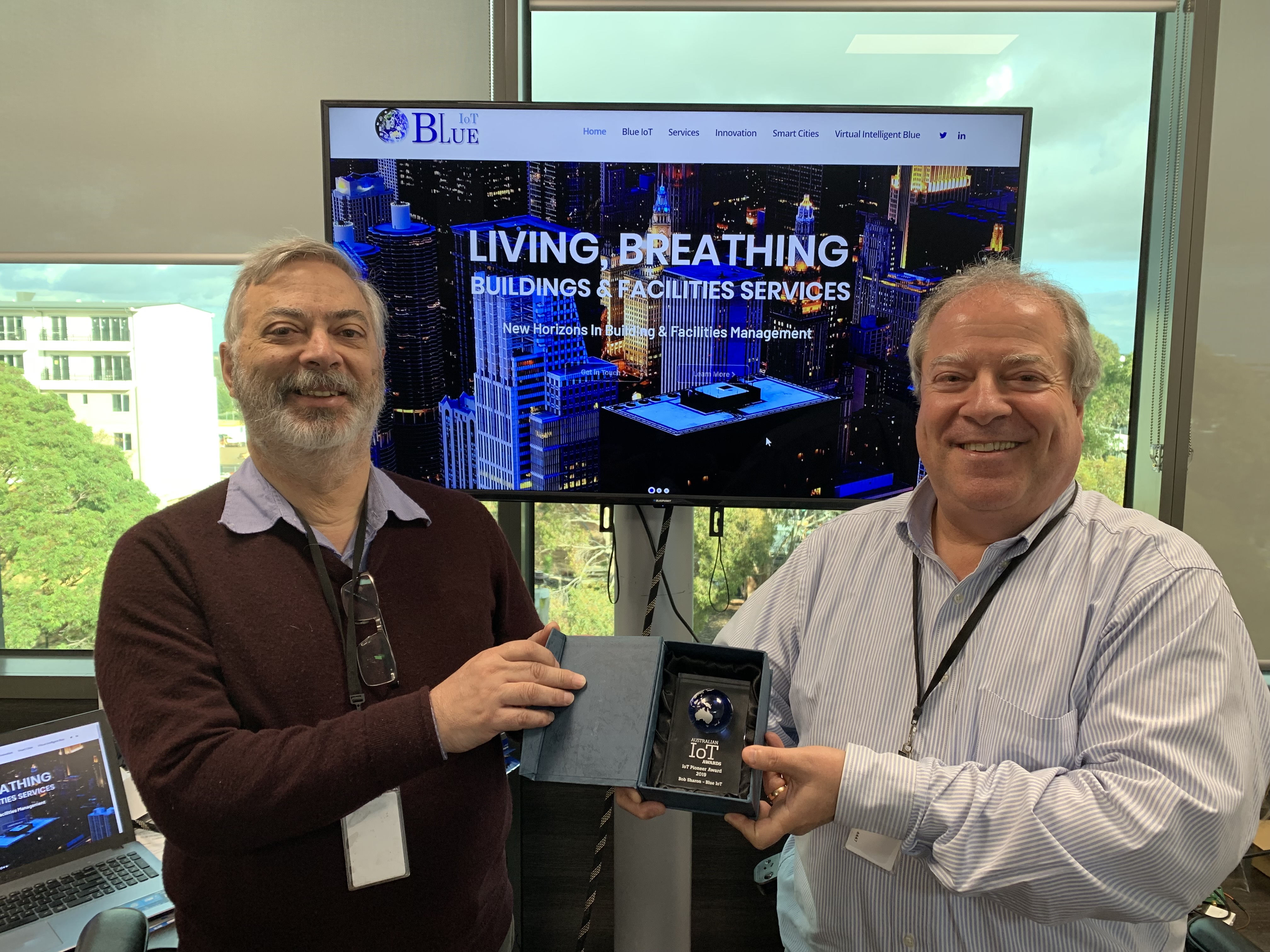
Blue IoT was founded in 2016 by Bob Sharon to support smart cities, intelligent buildings and the blue economy. Starting from a clean slate, the team experimented with multiple protocols before focusing on an IoT approach and developing Encompass Blue: the world's first cloud based IoT suite. Encompass Blue is a cloud-based IoT platform that uses wireless devices and radios to eliminate power cabling, simplify deployment, and enhance security. Blue IoT received its first order in August 2018, its first commission in December 2018, and has since expanded through strategic partnerships and industry recognition. The early years were not without flaws and yet became the foundation for how Blue IoT operates. Starting from scratch allowed Blue IoT to create an innovative, highly flexible platform that can be customized for customer needs. This reset also taught the team to take advice and involve partners, staff, and customers in development. These lessons have shaped a culture of collaboration, involvement, and innovation that has turned early experience and missteps into the basis for Blue IoT's leadership in the IoT space.

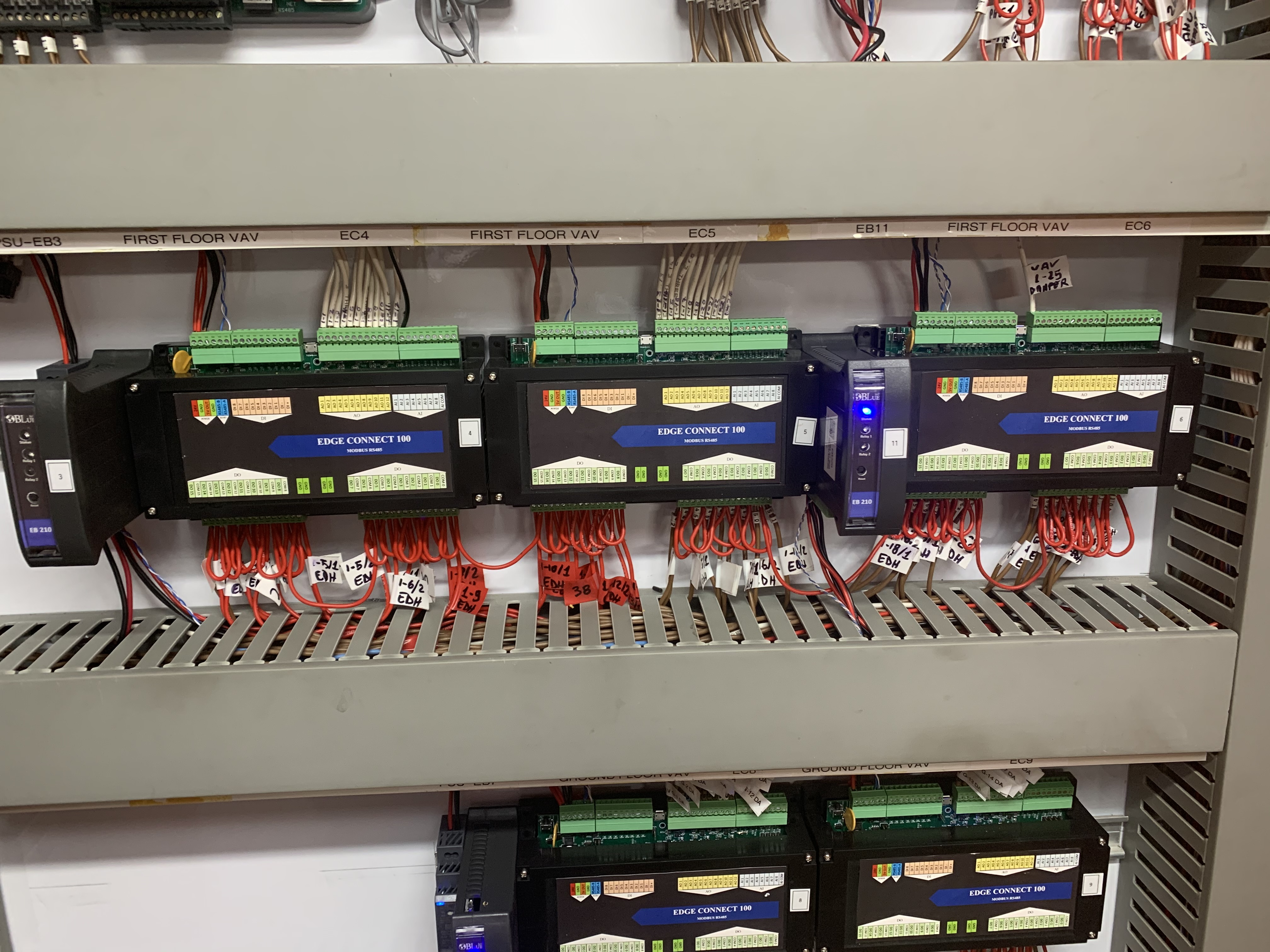
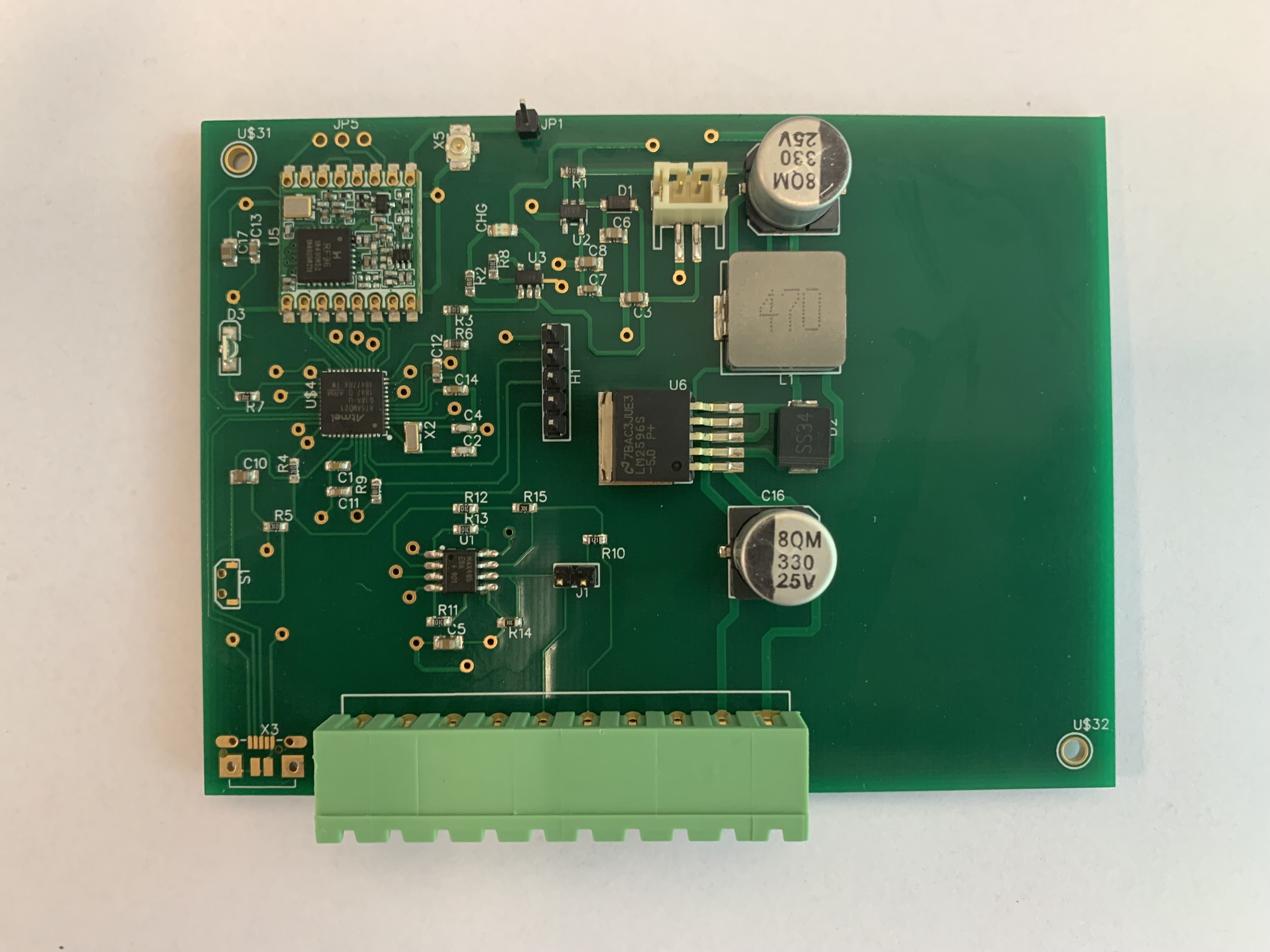
Originally Blue IoT wanted to offer services that allowed people to optimize building facilities, but found that retrofitting sensors into buildings required expensive cabling and invasive installation. We then realized we could use radio for this and decided to use Lorawann networks to address this issue. We then identified another gap in the market: Lorawann and the IoT industry as a whole were one-way, meaning the device in the field could communicate with us but we could not communicate back. To implement a true BMS we needed the devices to start and stop on command. Therefore, one of our staff wrote the code and programmed two-way operation, making us the first in the world to create a wireless system on Lorawann.
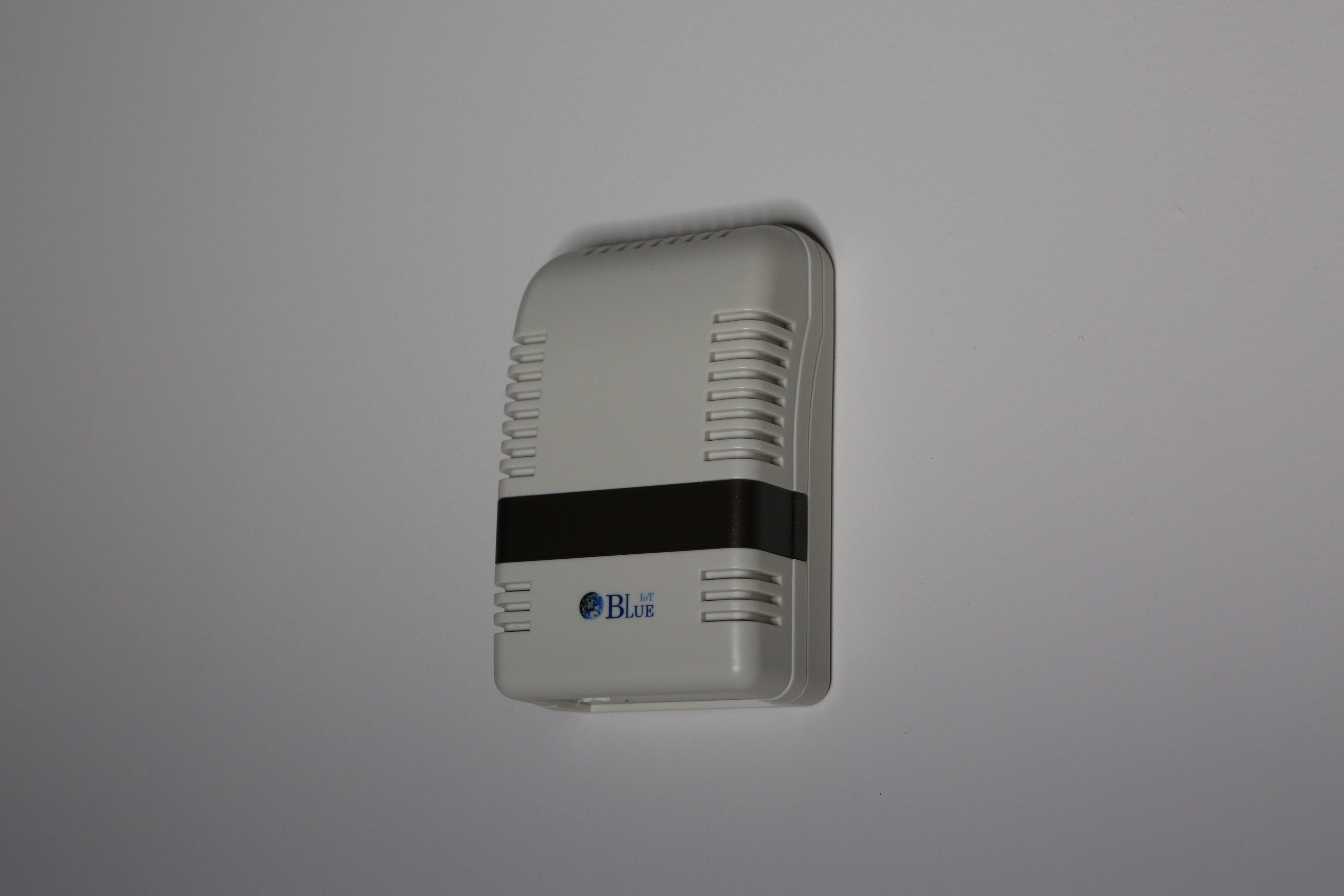
As the market matured, three contextual changes shifted product strategy. We began by building our own sensors, but rapid progression in manufacturing and the marketplace made it more cost-effective to buy devices and sensors off the shelf. At the same time, pay-per-use cloud platforms removed the need to personally run and maintain our own data-center hardware. Finally, we discovered our legacy system relied on proprietary code and a less common database that few people understood, making ongoing support and development within this system difficult. All of these factors pushed us to once again make changes and we shifted to a new system.
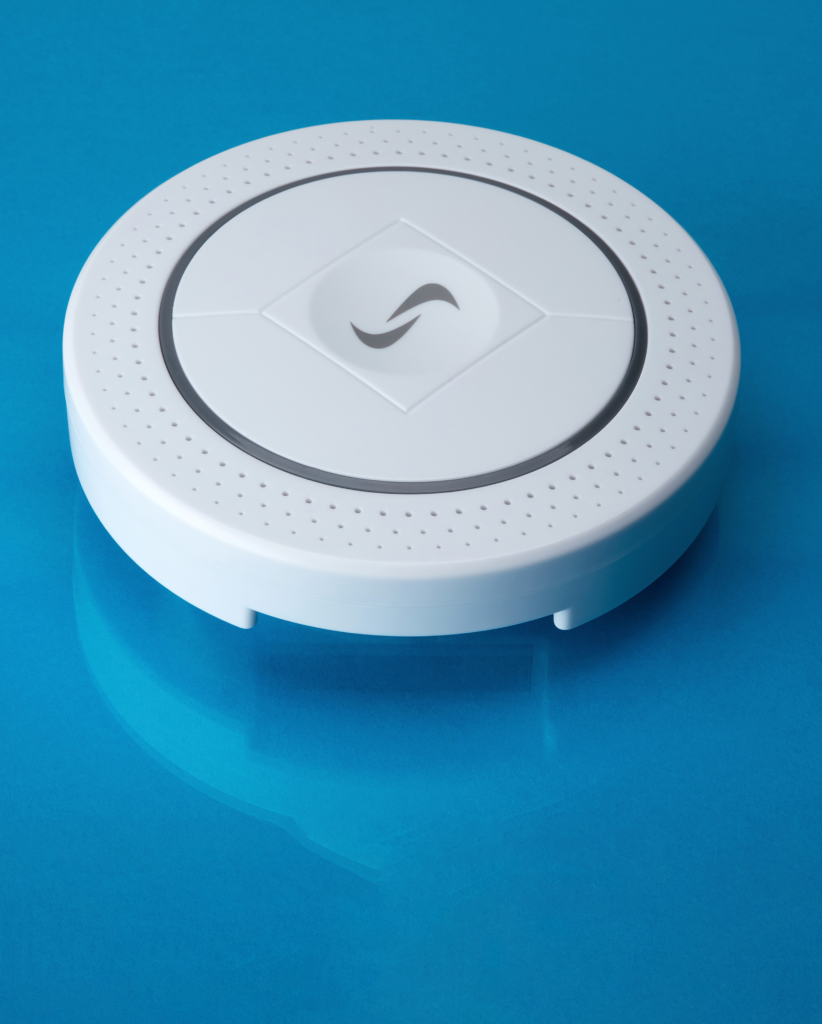
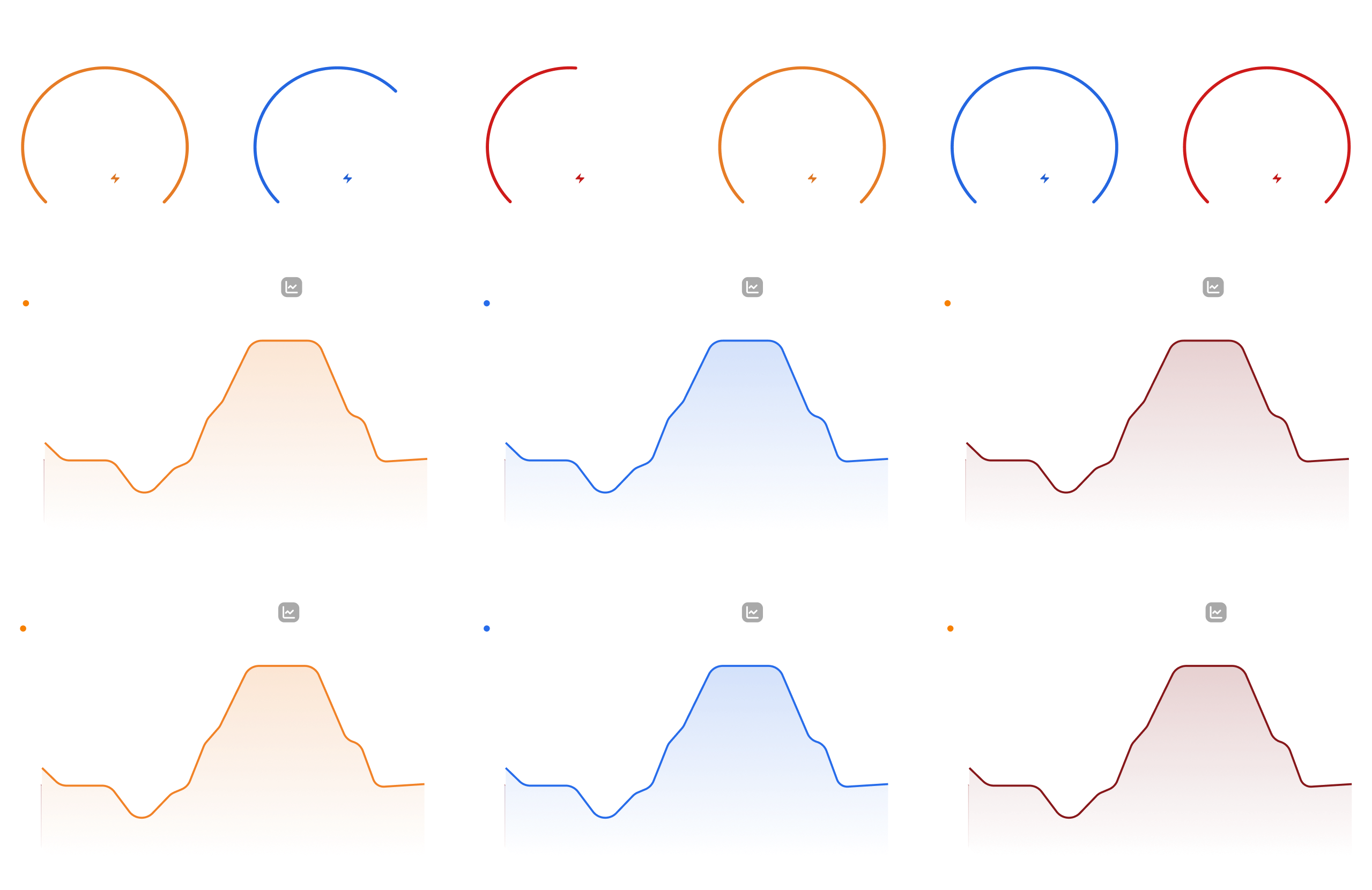
We stopped developing the old platform and began working on Encompass Blue Light because it is more accessible and flexible to modify. In addition to the core Encompass Blue Light system we were able to add features like cladding video feeds, NOC alarm monitoring, waste management and vape-sensor integration. Encompass Blue Light allowed us to refocus on data presentation, condition monitoring, trend analysis, and machine learning.On the ground, Encompass Blue Light pairs cloud analytics with a local box on site called a GACE. The GACE runs optimization code locally, communicates with devices and controllers, and executes the command on site. It then feeds data back into Encompass Blue Light, letting the cloud learn and produce trend analysis, anomaly detection and recommendations. Crucially, if Encompass Blue Light loses connectivity the system will still continue to run. This is a major step for reliability and visibility, and it allows us to provide larger corporations visibility across different networks. Our new system focuses on clear data presentation and practical advice, helps spot degrading equipment, improves transparency, and optimizes energy use so facilities can run more reliably and efficiently.

Bob Sharon is the Founder and Chief Innovation Officer of Blue IoT, with over 30 years of commercial experience across IT, cybersecurity, smart buildings, and sustainability. Prior to founding Blue IoT, he worked in IT operations with a focus on data center environments.
Educated at Monash University and the University of Queensland, Bob combines technical expertise with entrepreneurial leadership and a strong commitment to environmental outcomes. This blend of skills and values led to the creation of Blue IoT and its focus on data-driven, sustainable building performance.
Bob’s influence extends beyond Blue IoT. He was named the 2022 ACS CXO Disruptor of the Year and contributes to the broader industry through roles with organizations such as the IoT Alliance Australia and as a NABERS auditor.
This AI-generated video offers a brief, creative look at how Bob founded the company and identified the challenges our technology now addresses. Framed in the style of a movie trailer, it provides a snapshot of the journey that led to the development of our IoT solutions. Think of it as a short preview of the story behind our mission and the problems we set out to solve.